We Are Wasting the Energy Around Us: Why Do We Still Use So Much Energy to Make Heat or Cooling?
Every day, our homes, businesses, and cities consume huge amounts of energy to create heat in winter and cooling in summer. Yet much of this energy already exists around us. The real challenge is to better capture, direct, store, and reuse the energy that is already moving through our environment.
Gabriel Tremblay
GeoMass Team
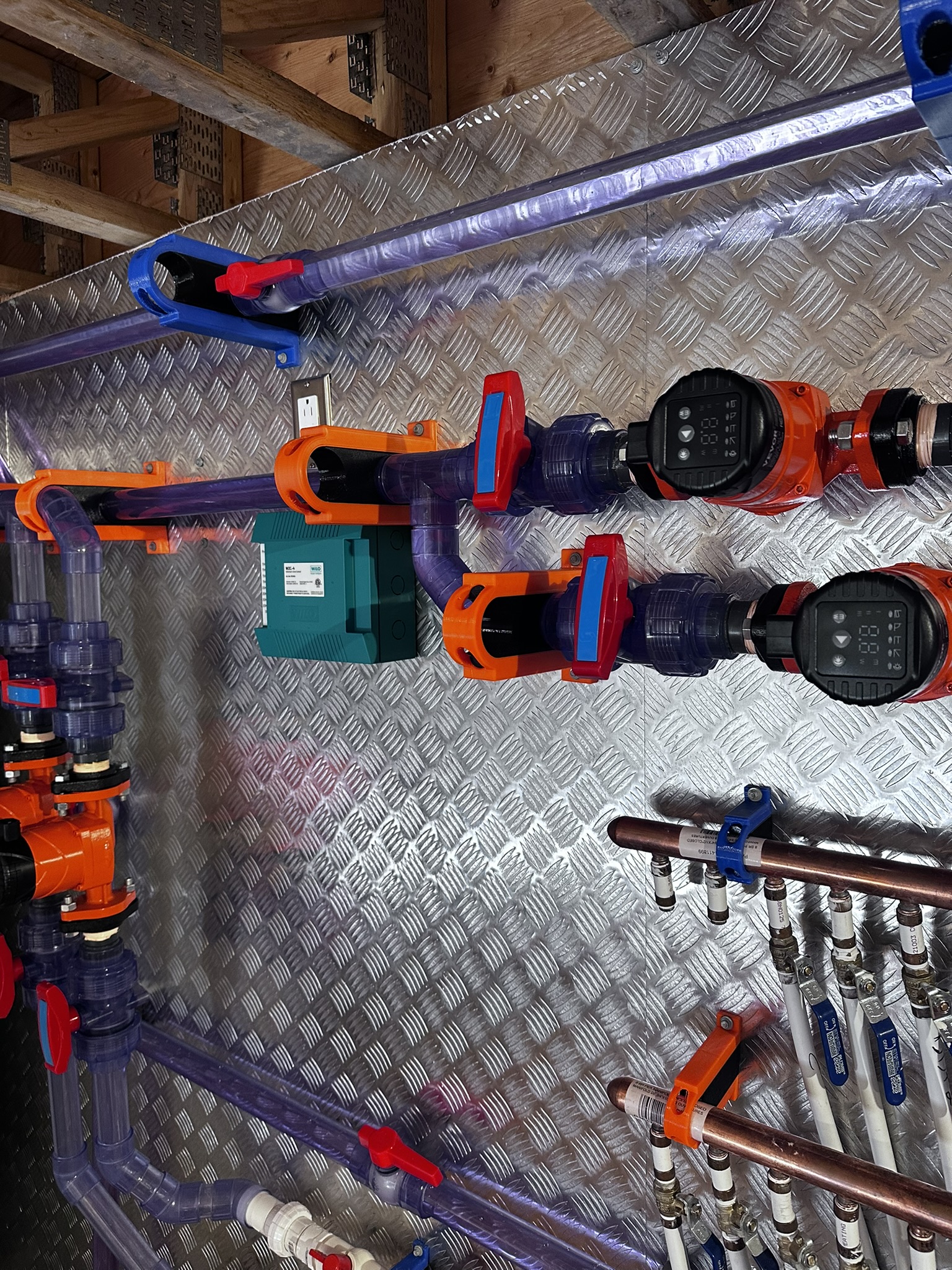
Every day, our homes, businesses, and cities consume huge amounts of energy to create heat in winter and cooling in summer. Yet much of this energy already exists around us: in the air, in the ground, in water, inside buildings, in waste heat from machines, and even in the heat we expel when we use air conditioning.
The problem is not only that we need more energy. The bigger problem is that we do not use the available energy around us efficiently.
The heat pump and air conditioner paradox
A heat pump or an air conditioner does not simply create cold or heat. These systems move heat.
In summer, an air conditioner removes heat from inside a house and rejects it outside. That is why the outdoor unit blows hot air. The heat does not disappear; it is pushed into the surrounding environment.
In winter, a heat pump can extract heat from the outdoor air, even when it is cold, and transfer it indoors. This is more efficient than producing heat directly with electric resistance. But even with this efficiency, we often still operate with a simple model: take energy, convert it, reject it, and repeat.
This model creates waste. In summer, we pay to remove heat from our homes, then we throw that heat into the outdoor air. In winter, we pay again to collect heat. Between the two seasons, there is often little or no storage, recovery, or long-term energy management.
Energy is everywhere, but it is rarely organized
There are many usable sources of energy and heat around us:
• Outdoor air, which contains thermal energy even when it feels cold.
• The ground, which maintains a more stable temperature than the air and can act as a natural thermal reserve.
• Water, which can store and move large amounts of heat.
• Buildings, which hold heat in concrete, walls, floors, foundations, and other materials.
• Waste heat, such as warm air from air conditioners, refrigerators, data centers, stores, and industrial systems.
• The sun, which already heats roofs, walls, pavement, soil, and other surfaces.
The challenge is not only to produce more energy. The real challenge is to better capture, direct, store, and reuse the energy that is already moving through our environment.
The waste of rejected heat
When a heat pump or air conditioner rejects hot air outside, that heat is usually lost. It spreads into the surrounding air, increases local temperatures around buildings, and can contribute to urban heat islands.
In a smarter system, this heat could be directed somewhere useful instead of being expelled into the air. For example, it could be sent to:
• Underground thermal storage cells, designed to collect and hold heat for later use.
• A water tank, to preheat domestic hot water.
• A thermal mass, such as a concrete slab or another material that can retain heat.
• An energy-sharing network, where waste heat from one building can help supply another.
The idea is simple: instead of throwing heat away, why not store it or redirect it?
The ground as a thermal battery
The ground is one of the best examples of available but underused energy. A few meters below the surface, the temperature changes much less than the outdoor air temperature. This makes the ground useful as a natural thermal battery.
In summer, heat removed from a house could be sent into the ground or into underground thermal cells designed to store it. In winter, part of that stored heat could help warm the building. This works like a battery, but instead of storing electricity, it stores heat.
This approach could reduce the amount of energy needed for heating and cooling. It could also reduce energy losses, lower demand on the electrical grid, and make buildings more self-sufficient.
Why do we still use so much energy for conversion?
Many of our current systems are based on conversion. We take electricity, gas, or another energy source and convert it into heat, cooling, or motion.
But every conversion creates losses. The more we convert, transport, and reject energy, the more we waste. In many cases, we use high-quality energy, such as electricity, to produce a simple thermal effect: heating or cooling a space.
Electricity is valuable. It can power motors, lighting, electronics, tools, vehicles, communication systems, and advanced technologies. Using large amounts of electricity simply to compensate for poor heat management is not always the smartest solution.
A better approach would be to use electricity mainly for control, pumping, circulation, and optimization, while capturing and reusing available heat as much as possible.
Toward buildings that recover instead of reject
The building of the future should not only consume energy. It should manage energy.
A smarter system could work like this:
In summer, the heat pump removes heat from the house.
Instead of rejecting that heat into the outdoor air, it directs the heat toward underground storage.
The ground or thermal cells store that energy.
In winter, the system recovers part of the stored heat.
The heat pump works less, uses less electricity, and operates more efficiently.
This concept does not eliminate the need for energy, but it reduces waste. It turns a loss into a resource.
A new way to think about energy
We need to change the way we think about heat. Rejected heat is not always waste. Often, it is a resource that is simply being sent in the wrong direction.
Today, we spend energy to cool our homes, then release the removed heat outside. Later, in another season, we spend more energy to heat those same buildings. This cycle shows that our system lacks continuity.
The important question is:
Why throw away energy today that we may need tomorrow?
Conclusion
We live in an environment filled with available energy, but our systems are still too often designed to consume, convert, and reject. Heat pumps, air conditioners, and geothermal systems already show that it is possible to move heat more efficiently. The next step is to store that energy better, direct it more intelligently, and reuse it.
The future of energy will not depend only on producing more. It will also depend on wasting less.
By using air, ground, water, thermal mass, and rejected heat more effectively, we could reduce consumption, improve building efficiency, and lower our environmental impact. The heat we reject today could become useful energy tomorrow.