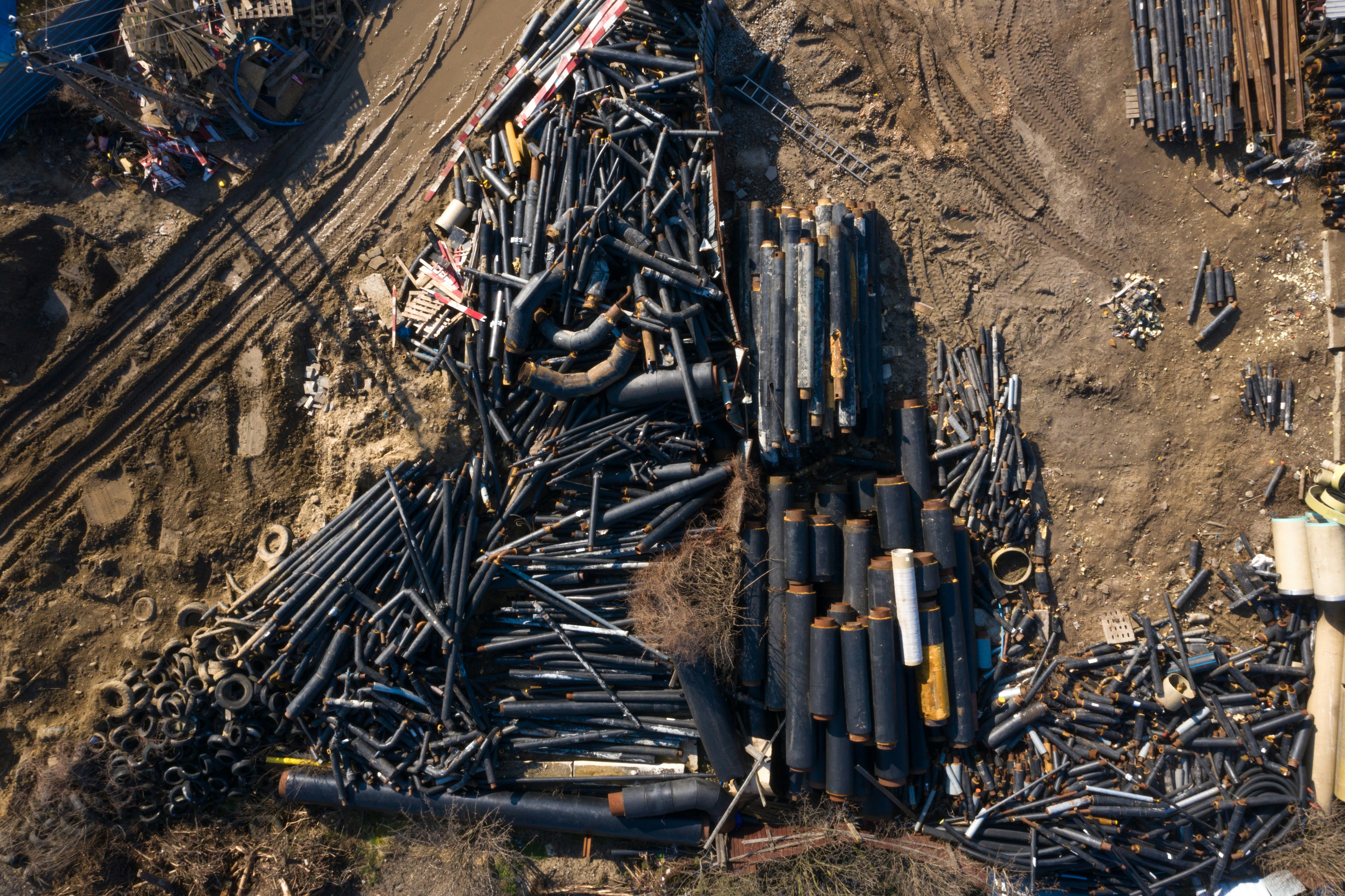
How Renewal Thermal Energy Works
A closed-loop system that stores heat underground and retrieves it on demand — cutting your energy bill without sacrificing comfort.
Three phases. One system.
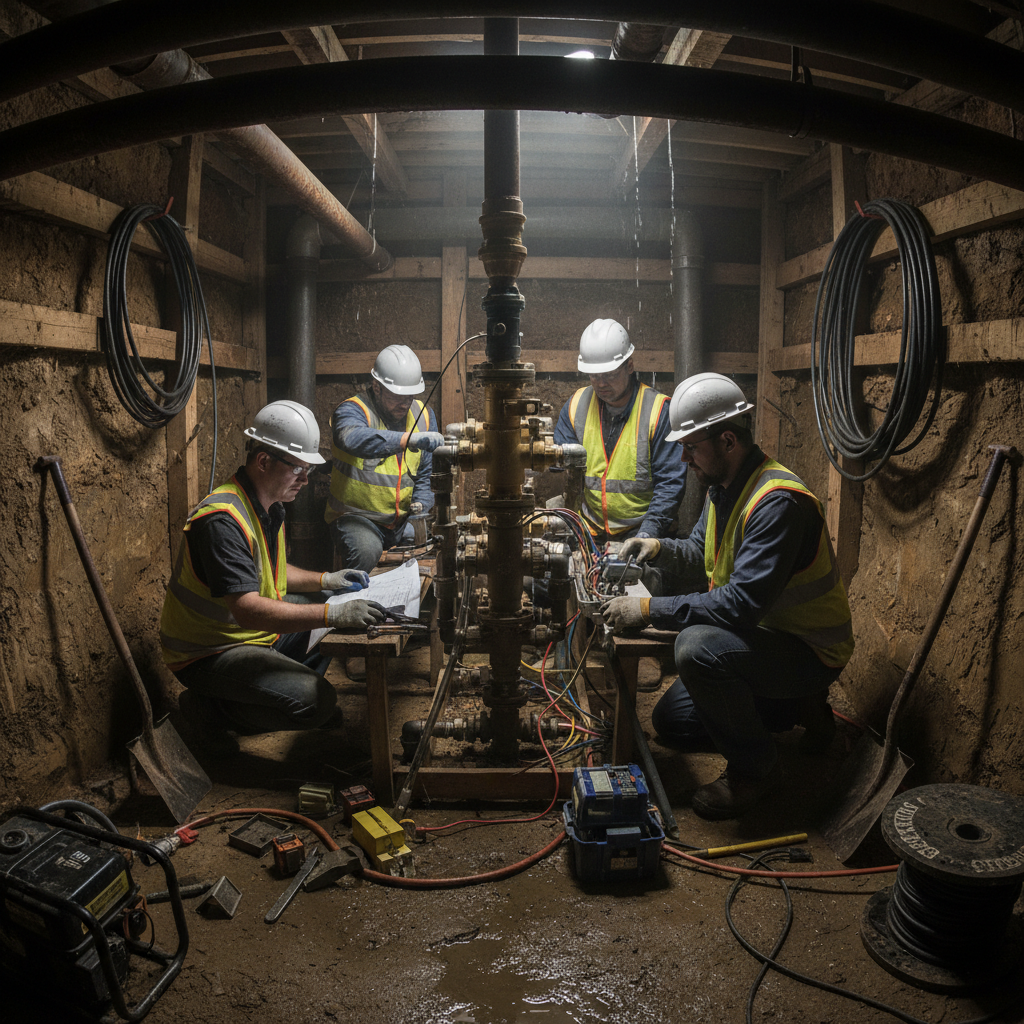
Thermal Mass Storage
A large underground thermal mass — typically a tank or bed of gravel, water, or phase-change material — is installed below the frost line. This mass absorbs and stores heat energy from the sun, the earth, or waste heat sources throughout the warm season.
The earth below 6 feet maintains a constant 50–55°F year-round — a free, inexhaustible thermal reservoir.
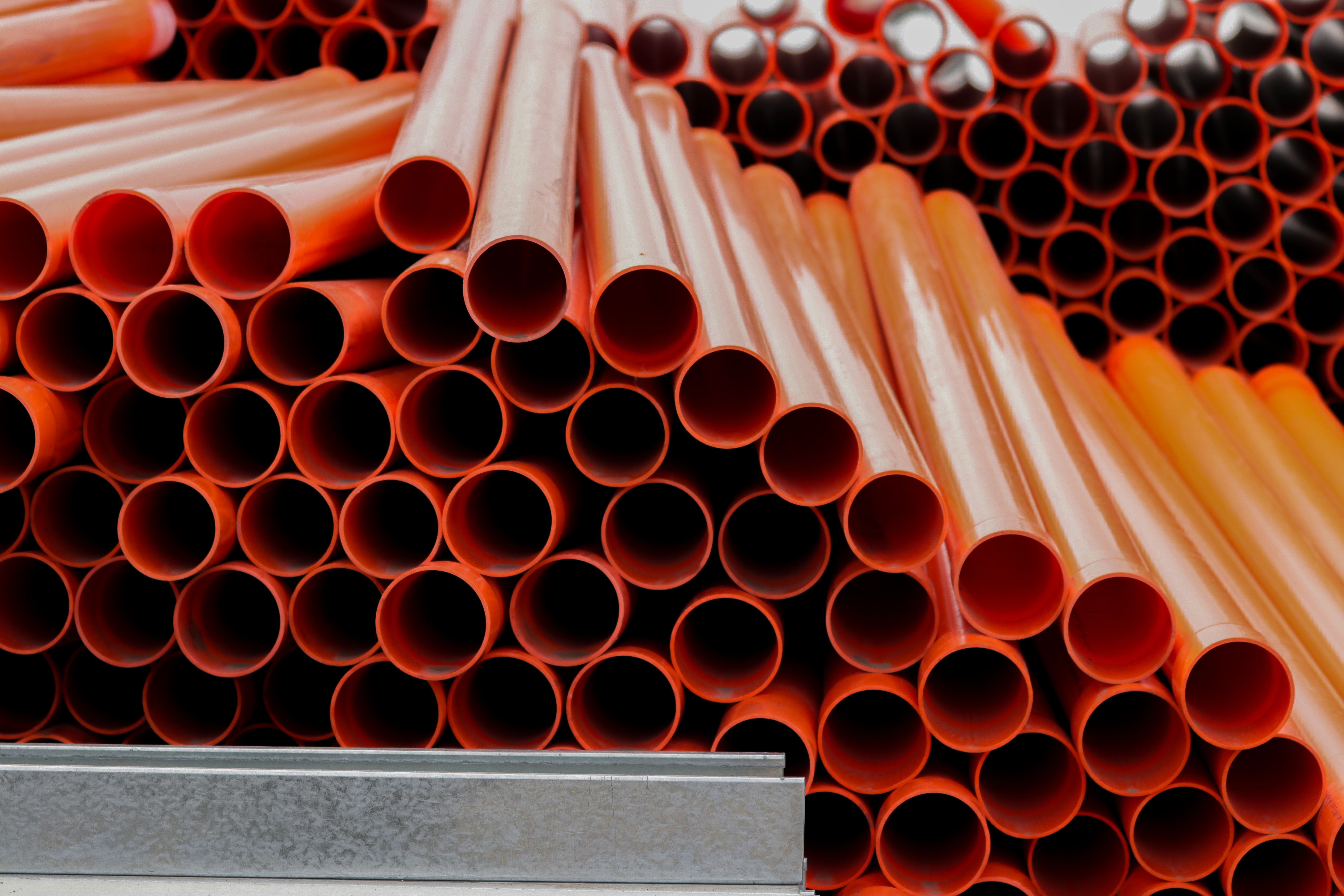
Winter Heating Cycle
During winter, small pumps circulate fluid through the thermal mass, extracting stored heat. This warm fluid is then routed through the home via radiant floor heating or air handlers — providing consistent, even warmth at a fraction of conventional heating costs.
The system uses only pump electricity — typically 200–400W — to move heat that would otherwise cost 10× more to generate.

Summer Cooling Cycle
In summer, the process reverses. Warm air from the home is transferred to the cool thermal mass underground, effectively air-conditioning the house using the earth's natural temperature. The thermal mass slowly recharges itself for the next winter.
No refrigerants, no compressors, no ozone depletion — just physics-based heat exchange.
The difference is undeniable.
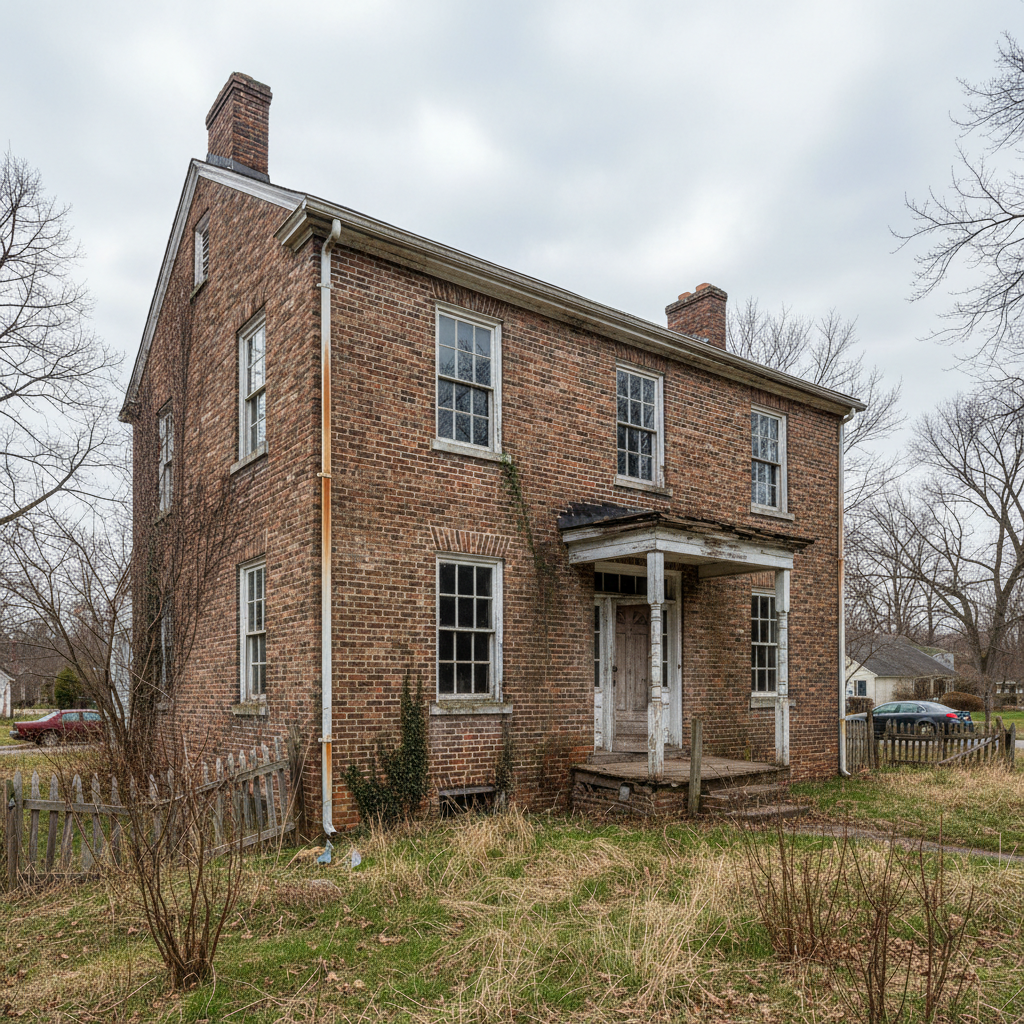
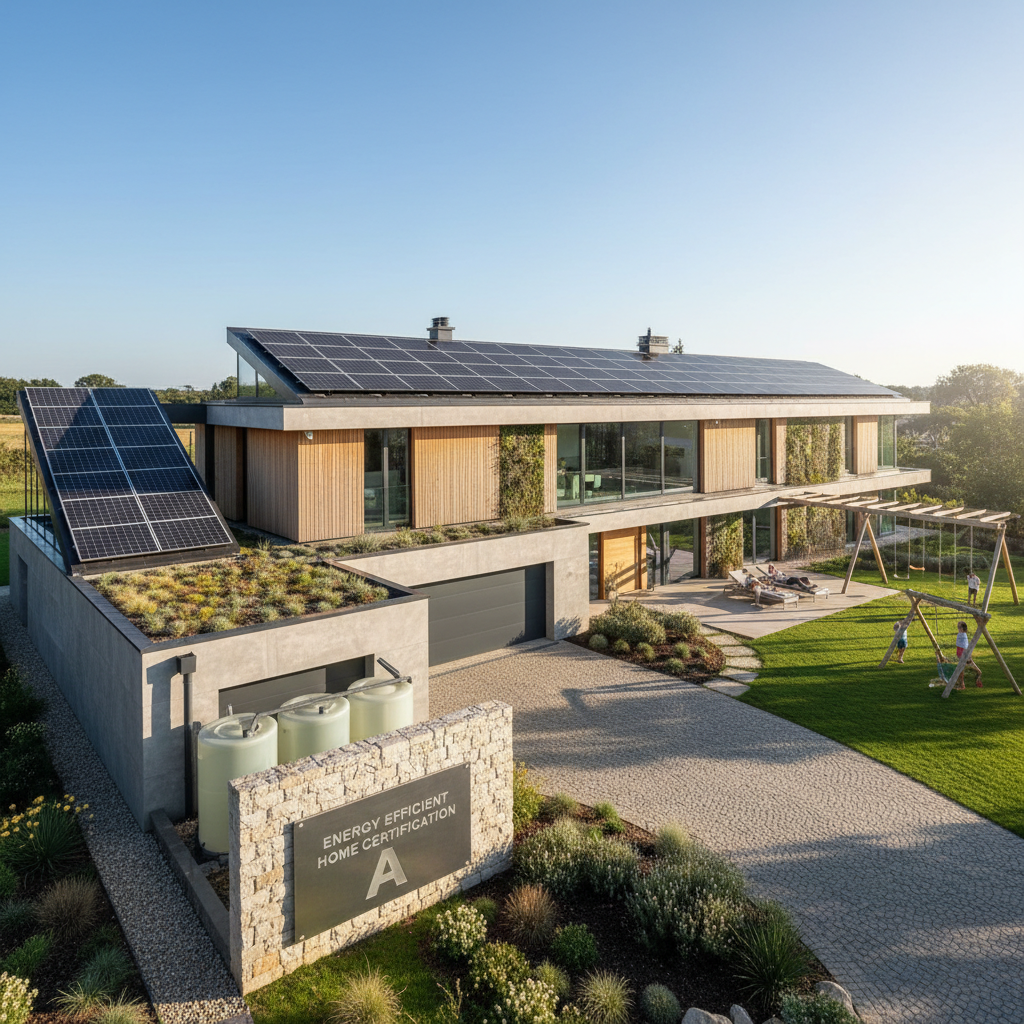
These two images represent what GeoMass does — taking an energy-hungry conventional house and transforming it into a self-sustaining thermal system that works with nature.
- Conventional heating: $250+/month average
- GeoMass thermal system: $81/month average
- Retrofit possible on most existing homes
- Works in any climate zone
The numbers behind the system
Get the complete guide in print.
The GeoMass Cookbook walks contractors and homeowners through every calculation, every component, and every step of the build process.